Profile
INTELLIGENT SYSTEMS AND ROBOTICS
What is Intelligent Systems and Robotics?
Intelligent Systems and Robotics is the development of highly capable methods inspired by natural phenomena to solve complex problems in the real world. Intelligent Systems and Robotics is a combination of mechanical and electronic systems that have been equipped with sensors, actuators, and microcontrollers, so that the system can take "smart" decisions and perform "smart" actions based on processing data from sensors.
Why is it important to study Intelligent Systems and Robotics?
Intelligent Systems and Robotics prepares students to face the Industry 4.0 era in designing and manufacturing "smart" products for "smart" factories.
Why choose Ukrida's Intelligent Systems and Robotics?
With the support of complete laboratories and up-to-date equipment, Ukrida's Intelligent Systems and Robotics equips students with the ability to design "smart" products through the integration of hardware and software.
What is learned in Intelligent Systems and Robotics?
At Ukrida's Intelligent Systems and Robotics, students will be trained to become inventors who can design and create smart products. For this reason, students will be equipped with knowledge about the Internet of Things (IoT), Artificial Intelligence (AI), Robotics, Mechatronics, Microcontrollers, Image Processing, Digital Signal Processing, and other various knowledge and skills.
BIOMEDICAL ENGINEERING
What is Biomedical Engineering?
Biomedical Engineering applies engineering problem solving principles and techniques to biology and medicine, from diagnosis and analysis to treatment and recovery, such as pacemakers, artificial organs, biological organ imprinting.
Why is it important to study Biomedical Engineering?
Technology will affect all areas of life, including the health sector where technology will become a primary need for world health services. The rapid development of medical science and technology requires the competence of Biomedical Engineers.
Why choose Ukrida's Biomedical Engineering?
Ukrida's Biomedical Engineering prepares students to be able to answer the challenges of the rapid development of modern medical science which demands the role of technology. Today, the use of advanced and latest technologies in the diagnosis, treatment, and rehabilitation of human health problems is increasing. Modern medical devices, such as MRI, CT scans, dialysis machines, stents (rings) of heart blood vessels, and 3D printers of organs require engineering skills in their procurement and operation. In addition, direct practice opportunities and internships at Ukrida Hospital will increase student competence in the field of Biomedical Engineering.
What is studied in Biomedical Engineering?
Biomedical Engineering is a collaborative program between the Electrical Engineering study program and the Ukrida Medicine Faculty. Biomedical Engineering focuses on Clinical Engineering, Biomedical Informatics, and Medical Devices. Ukrida's Biomedical Engineering combines knowledge in the fields of medicine and engineering in solving health problems. Ways of using and developing diagnostic, monitoring, implantation, and Artificial Intelligence (AI) equipment for health are studied in Biomedical Engineering. Students are trained to respond to the challenges of the development of modern medicine, ranging from preventive, curative, to rehabilitation. Biomedical Engineering graduates will collaborate with experts in the fields of medicine and pharmacy to provide the best service for the community.
News

Regional Dobot Competition 2024
13 March 2024
The Electrical Engineering Study Program at Ukrida, held a Dobot competition supported by the Robotics Education Center and Surya Sarana Dinamika (SSD).

My School Goes Digital
27 September 2022
UKRIDA Holds USCC 2022 and Workshop entitled "My School Goes Digital"

FTIK Engagement
03 August 2022
Faculty of Engineering and Computer Science UKRIDA held an FTIK Engagement event on Tuesday, July 26, 2022.
Vision
To be prominent in the domain of Electronic Engineering with focus on the development of intelligent system and robotics as well as biomedical engineering
Mission
- Implementing Electronic Engineering education with focus on the development of intelligent system and robotics as well as biomedical engineering
- Developing studies in the domain of intelligent system and robotics as well as biomedical engineering
- Implementing results of studies in the domain of intelligent system and robotics as well as biomedical engineering in order to improve the life quality of a community
- Being active in the national-level and the international-level summit and activities
- Being active in establishing partnership with national and international institutions within the domain of education and research
Goals
- Student Centred Learning
All learnings in Electronic Engineering Study Program implement the concept of Student-Centred Learning (SCL) in which the learning process is performed by focusing on students as learners with support from lecturers as their facilitators. The concept of SCL enables students to achieve their competences through practical experiences and other activities.
- Project-Based Practice
All practical activities in Electronic Engineering is based on projects in which students are guided and directed to accomplish a project by implementing both theoretical and practical knowledge that they have attained.
- Expert Sharing
In addition to regular courses, students are also equipped with practical knowledge from experts in the form of expert sharing with contemporary topics in accordance with the development in their employment.
- Undergraduate Thesis and Joint Research
In the final semester, each student will undergo Undergraduate Thesis. Specific to the statement, in this case the students in Electronic Engineering Study Program will be directed in accordance with the theme of their study appropriately as part of their provision for pursuing higher education
- Holistic Education
Teaching, research, and technological development in Electronic Engineering Study Program is performed holistically so that students are encouraged to create integrated, intelligent, smart, and beyond-technology invention and solution. This idealism will be internalized among the students so that they will be an innovator who has the capabilities to create new ideas and will eventually be independent and creative personalities with pursuance toward new innovations in their employment.
- Electronic Development Centre (EDC)
Electronic Engineering Study Program has a unit entitled Electronic Development Centre, which serves as a training centre for both Lecturers and Students. This Training Centre receives orders from electronic projects that have been assigned by numerous companies and industries. Through this training centre, it is expected that students can train themselves to be ready-to-work graduates of Electronic Engineering Study Program in their employment.
Excellence
1. Student Centered Learning
All learning in Electrical Engineering applies the concept of Student Centered Learning (SCL) where the learning process is carried out centered on students as learners and supported by lecturers as facilitators.
2. International Standard Lecturer
Ukrida's Electrical Engineering is supported by lecturer staff with educational backgrounds from foreign universities, including Korea, Singapore, Japan, and Taiwan.
3. Expert Lecture
In addition to regular lectures, Electrical Engineering students are also equipped with practical knowledge from practitioners in the form of expert lectures with the latest topics according to developments in the workplace.
4. Student Exchange
Ukrida's Electrical Engineering has collaborated with various educational institutions at home country and abroad to provide opportunities to participate in student exchange programs for students.
5. Experiential Learning
Ukrida's Electrical Engineering curriculum is designed so that students gain knowledge, skills, and values through hands-on experiences. Independent studies in industry and educational institutions are examples of experiential learning applied at Ukrida. In addition, Ukrida's Electrical Engineering also has an Electronics Development Center as a place for students to work on designs according to the needs of the industry.
6. Research with Lecturers
As a form of applying the knowledge and skills that have been acquired in lectures and preparing students as future innovators, Ukrida's Electrical Engineering students can be directly involved in research with lecturers.
7. Corporate Internship Program
Ukrida's Electrical Engineering students have the opportunity to take part in an internship program to provide hands-on learning experiences in the workplace, both hard skills and soft skills.
8. Hardware and Software Integration
Learning at Ukrida's Electrical Engineering is designed to integrate knowledge and skills about hardware and software in design.
9. Family Atmosphere
A good and harmonious relationship between lecturers and students makes students feel a family atmosphere of learning at Ukrida's Electrical Engineering.
10. Opportunities for Further Study Abroad
Ukrida's Electrical Engineering has collaborated with various educational institutions abroad that allow Electrical Engineering alumni to get recommendations for further study abroad with scholarship programs.
Facilities
Electronic Engineering Study Program has a number of laboratories for supporting its teaching-learning activities. These laboratories are namely:
- Physics Laboratory
- Basic Electronic Laboratory
- Electrical Circuits Laboratory
- Digital Electronic Laboratory
- Electric Energy Conversion Laboratory
- Control System Laboratory
- Intelligent System and Robotics Laboratory
- Photonics Laboratory
- Biology Laboratory
- Anatomy and Physiology Laboratory
- Physics Laboratory
- Basic Electronics Laboratory
- Electric Circuits Laboratory
- Digital Electronics Laboratory
- Electrical Energy Conversion Laboratory
- Control System Laboratory
- Intelligent Systems and Robotics Laboratory
- Photonics Laboratory
- Biology Laboratory
- Anatomy and Physiology Laboratory
- Ukrida Hospital
- Center for Biomedical Imaging and Bioinformatics
- Discussion Room
- Workshop Room
- Student Association Room


Curriculum
First Year
- Social Studies (2 Subjects)
- English For Academic Purposes
- Mechanics and Wave
- Differential and Integral
- General Chemistry
- Fundamentals of Electrical Engineering
- Engineering Drawing
- Entrepreneurship
- Electricity and Magnetism
- Complex Analysis, Series and Transformation
- Electric Circuit I
- Programming and Algorithm I
- Electrical Measurement
- Basic Electronics
Second Year
- Social Studies (2 Subjects)
- Modern Physics
- Matrix and Vector
- Electric Circuit II
- Programming and Algorithm II
- Analog Electronics
- Basic Electronics (Practicum)
- Electrical Measurement (Practicum)
- Electromagnetic Fields
- Differential Equation
- Signal and System
- Digital Electronics
- Microprocessor and Microcontroller
- Electric Circuit (Practicum)
- Microcontroller (Practicum)
- Telecomunication Engineering
Third Year
- Social Studies (1 Subjects)
- Community Service
- Digital Electronics (Practicum)
- Fundamentals of Electrical Energy Conversion
- Statistics and Probability
- Numerical Methods
- Basic Control System
- Artificial Intelligence
- Electronic System Design
- Telecomunication Engineering (Practicum)
- Fundamentals of Electrical Energy Conversion (Practicum)
- Basic Control System (Practicum)
- Robotics
- Research Methodology
- Elective (1 Subject)
Fourth Year
- Internship
- Research Experience
- Elective (4 Subjects)
- Professional Outlook
- Thesis
- Independent Campus - MBKM (20 Credits)
Elective Courses
Internet of Things
Digital Image Processing
Digital Signal Processing
Artificial Intelligence
Microcontroller Application
Industrial Electronics
Industrial Electronics (Practicum)
Advanced Control System
Data Communication
Marketing Management
Integrated Marketing Communication

Lecturers
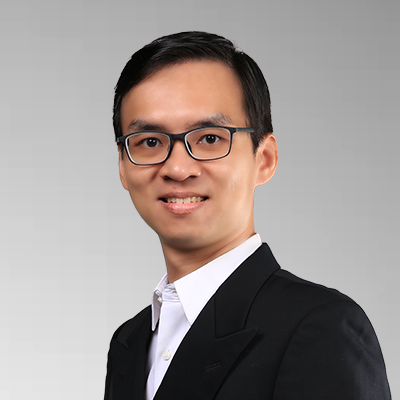
Ir. Richie Estrada, S.T., M.Eng., Ph.D.
Organic Electronics, Ph.D. from National Taiwan University of Science and Technology, Taiwan

Ir. Eddy Wijanto, S.T., M.T., Ph.D., IPU, ASEAN Eng.
Wireless, Mobile, and Optical Communication. Doctoral degree from National Formosa University, Taiwan


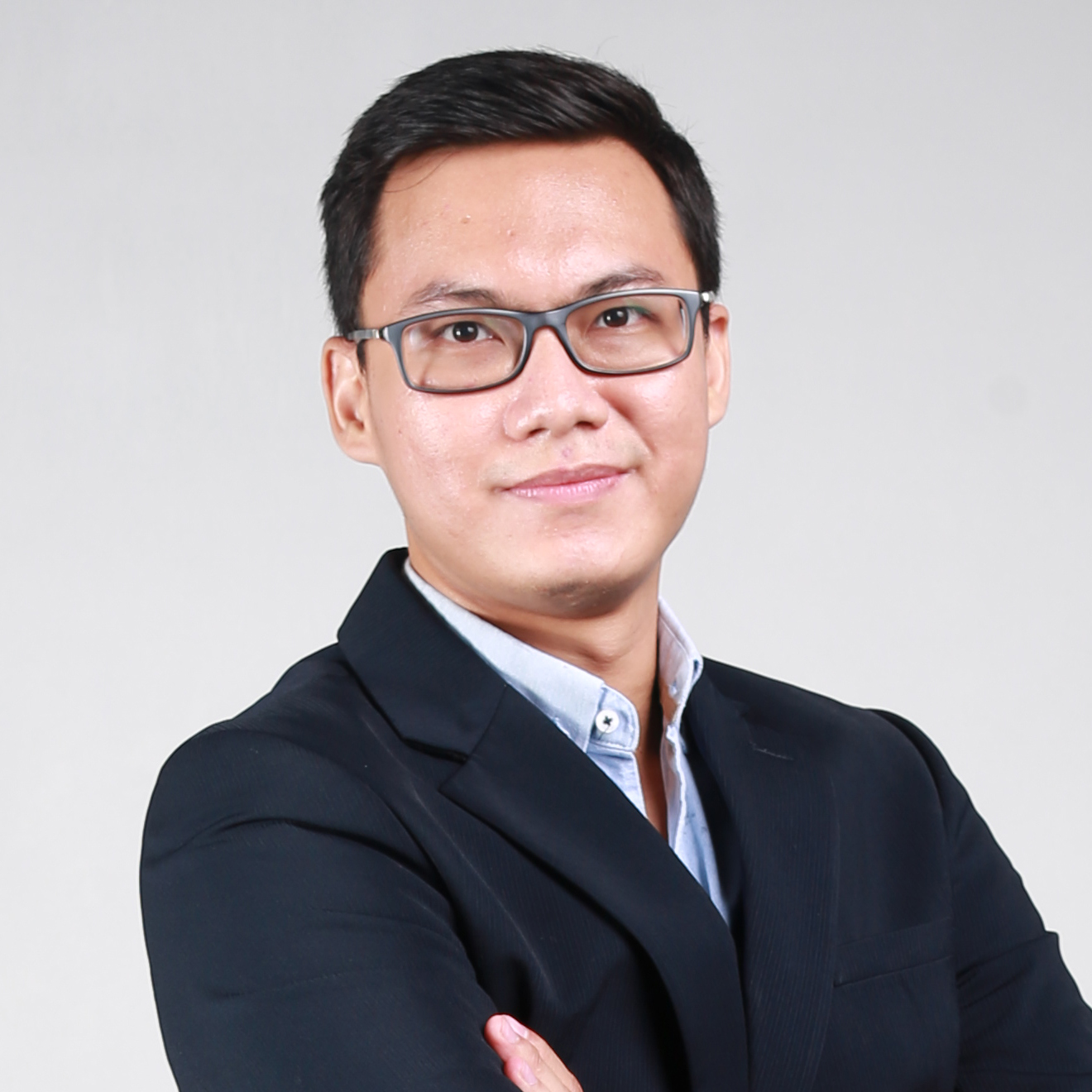
Ir. Marvin Yonathan, S.T., M.Sc.
Organic Electronics. S2 dari Ming Chi University of Technology, Taiwan
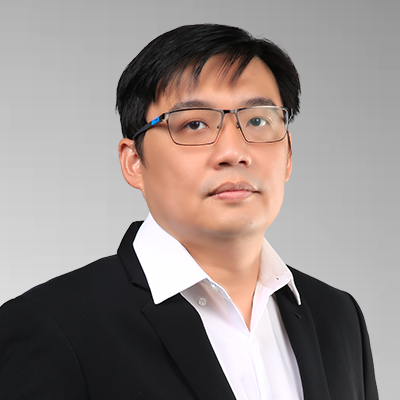
Ir. Ivan Tanra, B.Eng., Ph.D.
Mechatronics, Intelligent Systems. Doctoral degree from Nanyang Technological University Singapore
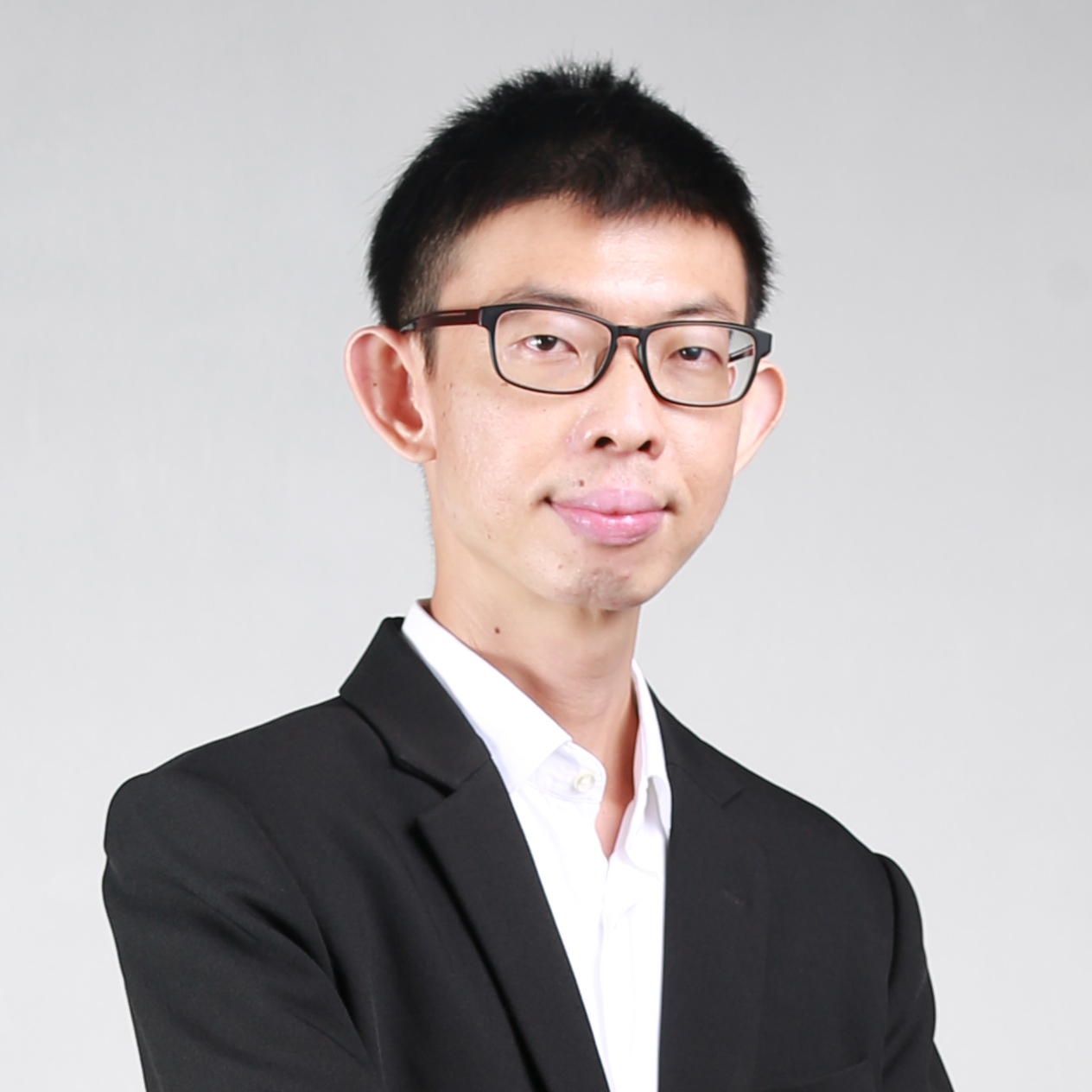
Indra Karnadi, Ph.D.
Optoelectronics, Photonics, Laser Plasma Spectroscopy. Doctoral degree in Nanophotonics from Korea Advanced Institute of Technology
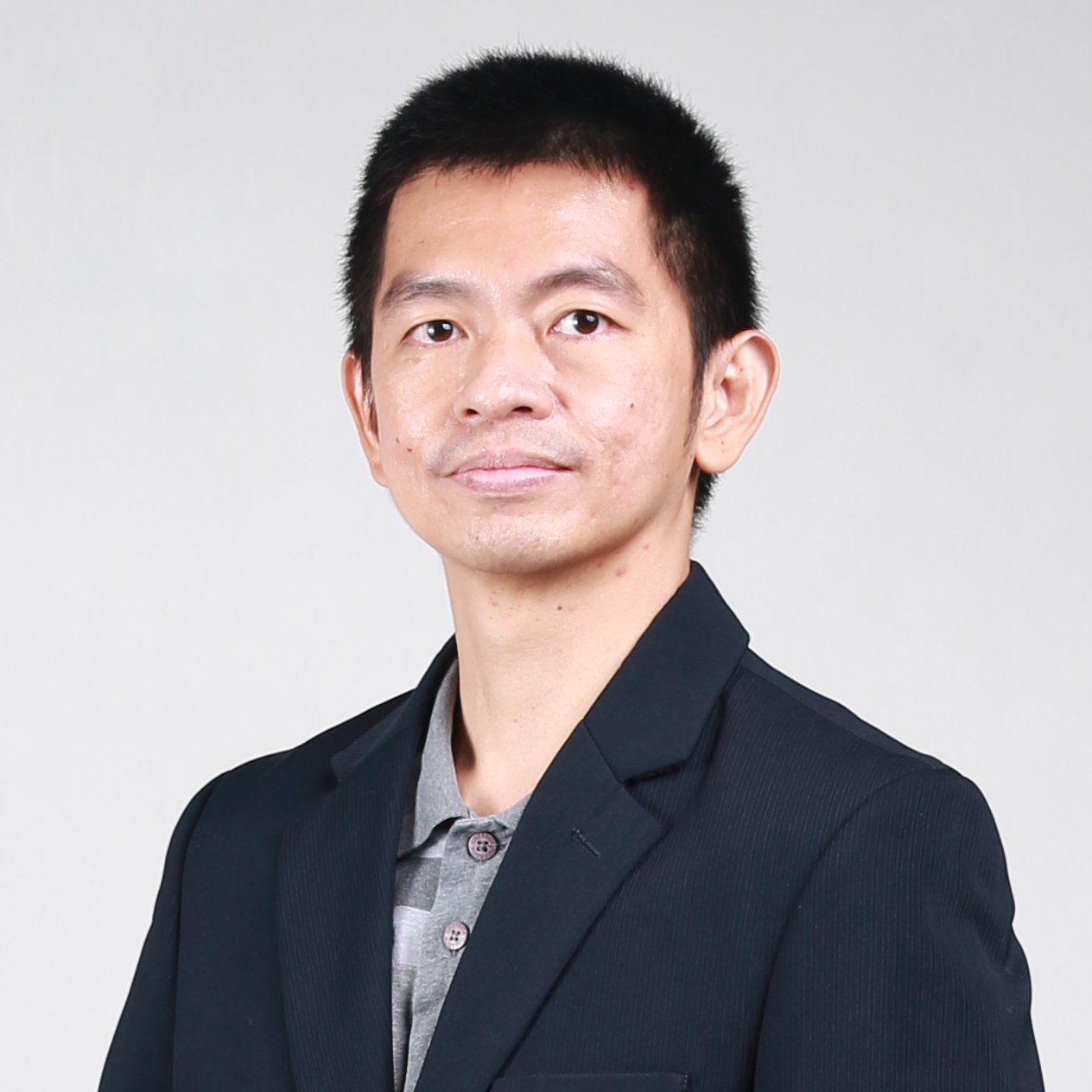
Budi Harsono, S.T., M.Eng .
Robotics, Industrial Electronic Instrumentation. Master's Degree from Gadjah Mada University

Ir. Kevin Sutanto, S.T., M.Sc.
Organic Electronics. S2 dari Ming Chi University of Technology, Taiwan
FAQ
Partnership


Contact Us
Smart Devices and Robotics department
Krida Wacana Christian University
Faculty of Smart Technology
Department of Electrical Engineering
Jalan Tanjung Duren Raya No. 4
Jakarta Barat 11470
+62 21 566 6952 | Fax: +62 21 566 6952
prodi.elektro@ukrida.ac.id

Alumni Testimony
"A deep impression while studying at Ukrida is a sense of kinship between students and lecturers who really support lecture activities. Students are also given soft skills to interact and adapt in the workplace. Personally, I feel helped by the merit scholarships that are given so that the financial burden becomes lighter. Thank you Ukrida for giving me the opportunity to make my parents proud. I am proud to be an alumni of Ukrida."
Ukrida Electrical Engineering Alumni Class 2010
Rudy Pangputra

Alumni Testimony
"During my studies at Ukrida, I gained a lot of knowledge. The lecturers are very competent so that a lot of knowledge is given to students. The teaching style of the lecturers is also very friendly. Students are considered as friends. Lectures are not only theory, but also equipped with practice. Many competitions and activities are held so that students do not get bored. Electrical Engineering also has a student body, known as the Electrical Student Association. There are many programs implemented by the association that make college years colorful. Over the past 4 years, there have been many memories of valuable experiences that are not forgotten."
Ukrida Electrical Engineering Alumni Class 2009
Yonathan Alexander
Alumni Testimony
"As an alumni of Ukrida, I feel lucky to be able to receive an undergraduate education at the Ukrida Department of Electrical Engineering, class of 1995. The lecturers have high competence in providing useful electrical engineering knowledge, both theoretically and practically. In addition, learning is also supported by adequate laboratory facilities and courses in accordance with technological developments. In general, I really enjoy practical learning experiences and laboratory activities where we can immediately practice electrical science in laboratory projects and other field applications. I thank Ukrida, especially the Department of Electrical Engineering because after graduating from Ukrida it gave me confidence to be able to work in companies in Indonesia and Australia, and to be able to continue my doctoral education and pursue research in the field of Biomedical Engineering."
Ukrida Electrical Engineering Alumni Class 1995
Dr. Rifai Chai
Dosen dan Peneliti, Swinburne University of Technology, Melbourne, Australia

Alumni Testimony
"Studying at Ukrida opened my insight about technological developments, especially in the rapidly growing field of Electrical Engineering. The comfortable learning atmosphere and the familial relationship between lecturers and students motivated me to continue learning and innovating while studying at Ukrida's Electrical Engineering. Armed with the knowledge I gained during my undergraduate study in Electrical Engineering at Ukrida, I had no difficulty in further study during my master's program in Taiwan. In addition, the experience of being directly involved in research with lecturers at Ukrida's Electrical Engineering became a valuable skills for me in writing scientific papers during my master's program studies, both for conferences and journals. Thank you Ukrida."
Ukrida Electrical Engineering Alumni Class 2012
Mahardi, S.T., M.Sc.
Lulusan Master of Science dari National Formosa University, Taiwan

Alumni Testimony
"Ukrida taught me a lot, not only hard skills, but also soft skills which are very useful in my life. Ukrida's Electrical Engineering also provided me with very up-to-date knowledge, so that we as Ukrida's Alumni could follow developments in technology. In terms of practice, Ukrida prepares our abilities with very complete laboratory facilities. We are also given the opportunity to do internships in companies in practical work programs. Thanks to Ukrida and the knowledge given, I was able to continue my Master's program studies majoring in Electronic Engineering with a full scholarship program from Ming Chi University of Technology, Taiwan. As a graduate of Ukrida Electrical Engineering, I am very proud to be able to study at Ukrida with satisfactory results."
Ukrida Electrical Engineering Alumni Class 2015
Kevin Sutanto
Master Student at Electronic Engineering Department, Ming Chi University of Technology, Taiwan

Alumni Testimony
"I currently work as a Civil Servant (PNS) in the Electricity Analyst section at the Department of Housing and Settlements in Mappi Regency, Papua. I am proud to be an Ukridian because Ukrida has good values "LEAD (Loving Enlightening Advanced Determined)" which can be applied by every Ukrida’s student or alumni wherever they are. As an Ukridian, I also feel proud because the lecturers at Ukrida, especially the lecturers at Ukrida Electrical Engineering are broad-minded, friendly, and really helped me in solving the problems I faced during lectures so that I could graduate without experiencing difficulties. In addition, adequate facilities at Ukrida Electrical Engineering are very helpful in the learning process. In my opinion, the unforgettable memories while studying at Ukrida are the training on LEAD values, as well as leadership camp training, and so on, where the values obtained are still carried and are very useful when entering the work. For students who are still studying at this time, academic knowledge is important but LEAD values are also needed in the work and become the plus values that distinguishes Ukridian from other graduates. For me, Ukrida has a very good caring value. Thank you Ukrida. Ukrida, Lead to Impact."
Ukrida Electrical Engineering Alumni Class 2014
Yaddi Aruan Bonga, S.T.
Pegawai Negeri Sipil (PNS) bagian Analis Ketenagalistrikan

Alumni Testimony
"Best wishes to all of us, now I am working at Bakrie University as a Professor of the Faculty of Engineering and Computer Science. I am proud to be an Ukridian because Ukrida has Christian values that humanize humans. The thing that made me choose Ukrida is that I am happy with the good campus environment, the lecturers who love their students, the Ukrida staff who always serve me wholeheartedly. I remember one moment when I was asked by the judge at a competition, why did Mr. Hoga Saragih have a dream to become a Lecturer and want to become a Professor, what is the basis for the spirit of the deepest desire of the heart? I answered: as long as I am alive, all my life, I am happy with my work as a Lecturer, as long as I live if the Lord Jesus allows me to produce:
10 new Professors
100 new Doctors (S3)
1000 new Masters (S2)
10,000 new Bachelors (S1)
One of my greatest joys as a Lecturer is when I can lead students to a life that is more beneficial to many people and also to strive for human values, seek peace, create prosperity, and provide happiness in humanizing humans.
Unforgettable memories while studying at Ukrida is that I always remember my friends who always accept me, we always spend time together in class, in the laboratory. It was a pleasant moment when we visited the homes of each of our friends, Ukrida students, so that we got to know their families better. Sometimes we stay at his house while studying and doing assignments together. This experience was carried over when I was in a job where we could work together as a team, working together by letting go of each other's egos so that teamwork was formed. Each other can accept as humans to humanize humans. The message for students who are currently still studying at Ukrida is study hard, read a lot of books, always be enthusiastic in attending lectures and always do the best of the assignments given. Ukrida real life learning. Thank you Ukrida. Ukrida, Lead to Impact for the Indonesian nation and state and even Lead to Impact for this world."
Ukrida Electrical Engineering Alumni Class 1994
Prof. Dr. Hoga Saragih, S.T., M.T., IPM, CIRR
Guru Besar Fakultas Teknik dan Ilmu Komputer Universitas Bakrie